Seawall Bar: Enjoy Drinks with Stunning Sea Sights in Galveston
Opening the Mysteries of Distillery Processes: A Thorough Overview
Within the realm of distillery procedures lie details that typically continue to be veiled to the informal onlooker. As we venture into the depths of spirit aging methods and the accuracy of top quality control measures, a tapestry of fragrances and tastes arises, shaped by cutting-edge techniques and time-honored practices.
The Art of Mashing and Fermentation
In the distillery process, the art of mashing and fermentation plays a critical duty in changing resources into the initial stages of alcohol production. Mashing involves the process of breaking down the starches in grains like rye, corn, or barley, right into fermentable sugars. This essential step is commonly achieved by blending the machine made grains with warm water to produce a "mash." Enzymes existing in the grains help convert the starches into sugars, creating a sweet fluid referred to as wort.
Yeast, a key gamer in this stage, is included to the wort to kickstart the fermentation procedure. This transformative process commonly takes a number of days to finish, depending on the preferred alcohol content and taste account.
Mashing and fermentation are complex processes that establish the structure for the alcohol that will ultimately be distilled and aged to develop a final item with distinct qualities and tastes.
Recognizing the Distillation Refine
One of the essential stages in the production of alcohol includes understanding the distillation procedure. Purification is a method utilized to different alcohol from the fermented fluid, generally via home heating and cooling down processes.
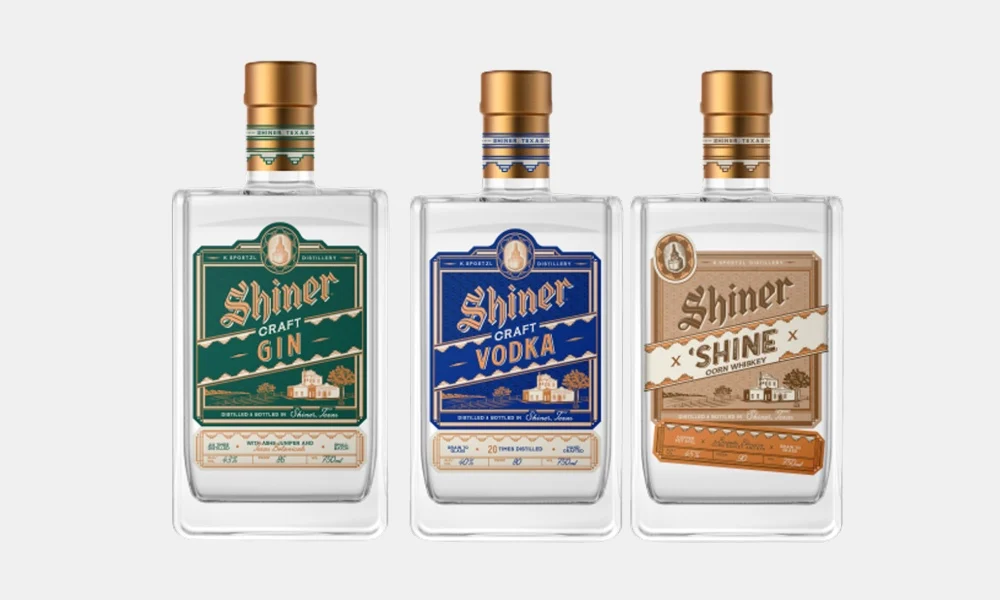
Understanding the purification procedure is vital for distillers to control the quality, toughness, and taste of the alcohol being generated. By mastering the art of purification, distilleries can create a large range of spirits with unique characteristics that attract various customer choices.
Secrets of Spirit Aging Methods
Discovering the intricacies of spirit aging strategies introduces the concealed virtuosity behind the development of nuanced flavors and fragrances in distilled beverages. The aging process is a critical point in the manufacturing of spirits, where the fluid communicates with the oak barrels, taking in substances that improve its account over time. One of the keys to effective aging exists in the selection of barrels. Distilleries typically make use of charred oak barrels, which impart distinct flavors to the spirit through a process of extraction and oxidation. The duration of aging is one more essential factor that distillers thoroughly regulate to attain the preferred taste profile. Longer aging periods tend to result in smoother, much more intricate spirits, while much shorter durations may highlight click for info strong, vibrant characteristics.
Additionally, the environmental conditions in which the barrels are saved play a substantial function fit the final product. Variations in temperature level and humidity can influence the price of aging and the interactions between view it the spirit and wood. Master distillers masterfully navigate these variables to craft spirits with distinctive individualities, embodying the conclusion of innovative methods and time-honored practices.
Quality Assurance and Testing Approaches
The careful craftsmanship showed in choosing barrels and controlling aging durations in the spirits production procedure highlights the vital importance of rigid quality assurance procedures and precise screening methods (Galveston Whiskey). Quality assurance in distilleries entails multiple phases to make sure that each set fulfills the preferred criteria. From raw material copyrightination to final product analysis, each action is crucial in preserving uniformity and excellence
One vital aspect of quality assurance is sensory evaluation, where qualified specialists assess the scent, taste, and overall high quality of the spirits. Chemical evaluation techniques such as gas chromatography and mass spectrometry are employed to detect any pollutants or deviations from the desired structure. In addition, physical tests like thickness dimensions and pH analysis supply additional understandings right into the item's characteristics.
To assure adherence to regulatory demands and interior requirements, distilleries also carry out microbiological testing to check for any microbial contamination that could impact the item's safety and security and service life. By executing durable quality assurance and testing methods, distilleries can promote their online reputation for generating costs spirits continually.
Discovering Special Flavor Mixtures
In the process of flavor infusion, the chosen botanicals are contributed to the base spirit and entrusted to emaciate or steep for a given duration. This enables the alcohol to extract the flavors and vital oils from the botanicals, leading to a harmonious mix of preferences (Distillery in Galveston). Distilleries may also use strategies like vapor infusion or basket infusion during distillation to impart details tastes to the spirit
Additionally, some distilleries select barrel aging or cask ending up methods to introduce added complexity and deepness to their spirits through communications with the timber. These methods add to the development of one-of-a-kind taste profiles that interest a discerning target market seeking story and memorable drinking experiences.
Conclusion
Finally, the distillery refines include elaborate steps such as mashing, fermentation, taste, aging, and distillation mixtures. Quality assurance and screening methods are essential in ensuring the end product satisfies requirements. Recognizing the science behind these procedures is important for generating top quality spirits. By opening the mysteries of purification, distillers can create tasty and special spirits that appeal to a broad array of consumers.
As we venture into the midsts of spirit aging techniques and the precision of top quality control actions, a tapestry of flavors and aromas emerges, shaped by innovative practices and classic customs. Distilleries often use charred oak barrels, which pass on distinct tastes to the spirit with a process of extraction and oxidation.Using a diverse range of components and botanicals, distilleries can craft one-of-a-kind taste mixtures that establish their spirits apart in an affordable market. Distillery in Galveston.In the procedure of flavor mixture, the selected botanicals are included to the base spirit and left to macerate or steep for a given period. Distilleries might also employ techniques like vapor mixture or basket mixture during purification to present details tastes to the spirit